

Why Do Cats Need Dental Care?
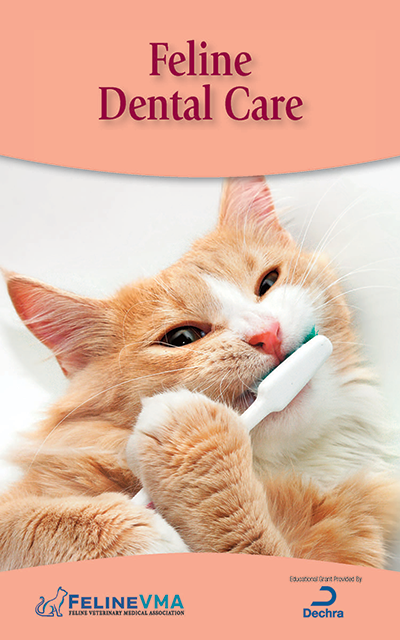
Dental health problems are among the most common health problems veterinarians see in cats. Up to 85% of cats will already have signs of periodontal (gum) disease by two years of age. Even though dental disease is common in cats, it can be really hard for you to see it or to see changes in your cat that are caused by it. Dental disease is painful, can be linked to infection, and can lead to tooth loss. Cats are experts at hiding pain, so they might appear to be acting fine even when their mouth hurts. Taking care of your cat’s oral health will help them feel better and stay healthier, reducing the risk of problems later in life.
How Can I Tell if My Cat Has a Dental Problem?
You can watch for changes during your cat’s normal day-to-day activities, including eating, drinking, grooming, yawning, and yowling. Look for these signs at home and contact your veterinarian if you become aware of any of these:
- Bad breath
- Red, swollen, or bleeding gums
- Chewing on one side or head tilted to the side
- Dropping food when chewing
- Pawing at the mouth
- Swollen face
- Excessive drooling
- Losing weight
- Stopping grooming
- Eating less or refusing food
Although cats are good at hiding pain, even small behavior changes can mean your cat’s mouth hurts due to dental issues. Don’t expect changes in appetite with dental disease. Many cats continue to eat normally, even with dental and oral pain.
What Dental Problems Are Most Common?
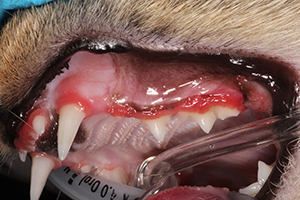 Plaque is a mass of bacteria that collects on your cat’s teeth. Over time, the plaque hardens and becomes tartar, a hard brown material on the tooth’s surface. Periodontal disease results when the bacteria invade the space under the gum line, damaging the tissues that support the tooth, and causing inflammation. Painful swelling, bone loss, and loosening of the tooth or teeth may follow. These changes cannot be reversed once they have occurred, but can be avoided by preventing the buildup of plaque and tartar in the first place. In addition to periodontal (gum) disease, other dental issues commonly experienced by cats include:
- Tooth resorption: There is a slow and painful breakdown of the tooth structure. It can often be found during a checkup, but dental X-rays are needed to complete the diagnosis.
- Feline chronic gingivostomatitis (FCGS): This ongoing and severe inflammation of the gums and mouth causes pain and discomfort.
- Tooth trauma: Broken or damaged teeth may be the result of an accident or the cat biting something very hard.
Checkups with your veterinarian every 6–12 months and regular dental care under anesthesia can help catch these problems before they get worse and allow for early treatment.
What Happens At Your Veterinary Practice?
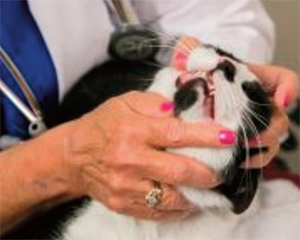 Your veterinarian will examine your cat’s mouth during every checkup. Most cats should see their veterinarian every 6–12 months for checkups, which include a dental exam. There are two different steps to dental exams:
- Oral Exam While Awake: Your veterinarian will gently look at your cat’s teeth, gums, and tongue and ask about your cat’s habits.
- Dental Assessment Under Anesthesia: Most dental problems are hidden below the gum line. Some cats will need a full exam and cleaning with anesthesia and dental x-rays. Any treatments needed, such as surgical extractions, can be done at that time. Dental cleaning without anesthesia is not safe or effective.
What Should I Expect if My Cat Needs a Dental Procedure?
When your cat has a dental procedure, general anesthesia and dental x-rays will be required. During the procedure, your cat’s ‘vitals’ will be monitored, including heart rate, breathing, and temperature. Local nerve blocks help manage your cat’s anesthesia and reduce pain during and after the dental procedure. Pain control will start before the procedure and continue afterwards, helping your cat stay comfortable. Most cats go home the same day and get back to their usual selves within a day or two. Contact your veterinary team if you have any concerns during your cat’s recovery.
How Should I Care for My Cat’s Teeth at Home?
 Caring for your cat’s teeth at home can help prevent advanced periodontal disease and pain. Starting with home care when they are kittens makes it easier—they’ll get used to the routine and accept it as they grow.
- Daily Brushing: Tooth brushing is very effective as a home dental care option. Use cat-safe toothpaste and a soft brush to remove plaque before it hardens.
- Dental Wipes: Wipes are often better tolerated than brushing and are a good option to help remove plaque. Approach your cat from behind and on the side with the wipe secured over your finger.
- Special Products: Foods, treats, or water additives that have been awarded the Veterinary Oral Health Council (VOHC) seal help reduce plaque buildup. Ask your veterinarian which ones are best for your cat.

When Might My Cat Need a Dental Specialist?
Your veterinarian will recommend a dental specialist for various reasons, including if your cat needs:
- Surgical removal (extraction) of multiple teeth
- A root canal
- Management of jaw fractures
- Treatment of tumors or growths in the mouth
- Complicated surgeries
 Importance of Preventive Care
 Importance of Preventive Care
Dental disease is common in cats, but hard to notice because they are so good at hiding illness and pain. Regular checkups every 6–12 months, depending on your cat’s age, are important for early detection. Catching issues early helps keep your cat healthy and reduces the chance of painful oral disease by allowing early treatment. Home care, like brushing or wiping your cat’s teeth every day, is the best way to avoid serious problems in the future.